Why many Nigerians like it:
- Instant virtual USD account.
- Good for direct client payments (not just platforms).
- Competitive fees and fast withdrawals to Nigerian banks.
It’s especially useful if you work with direct clients who don’t want to use Upwork or Payoneer.

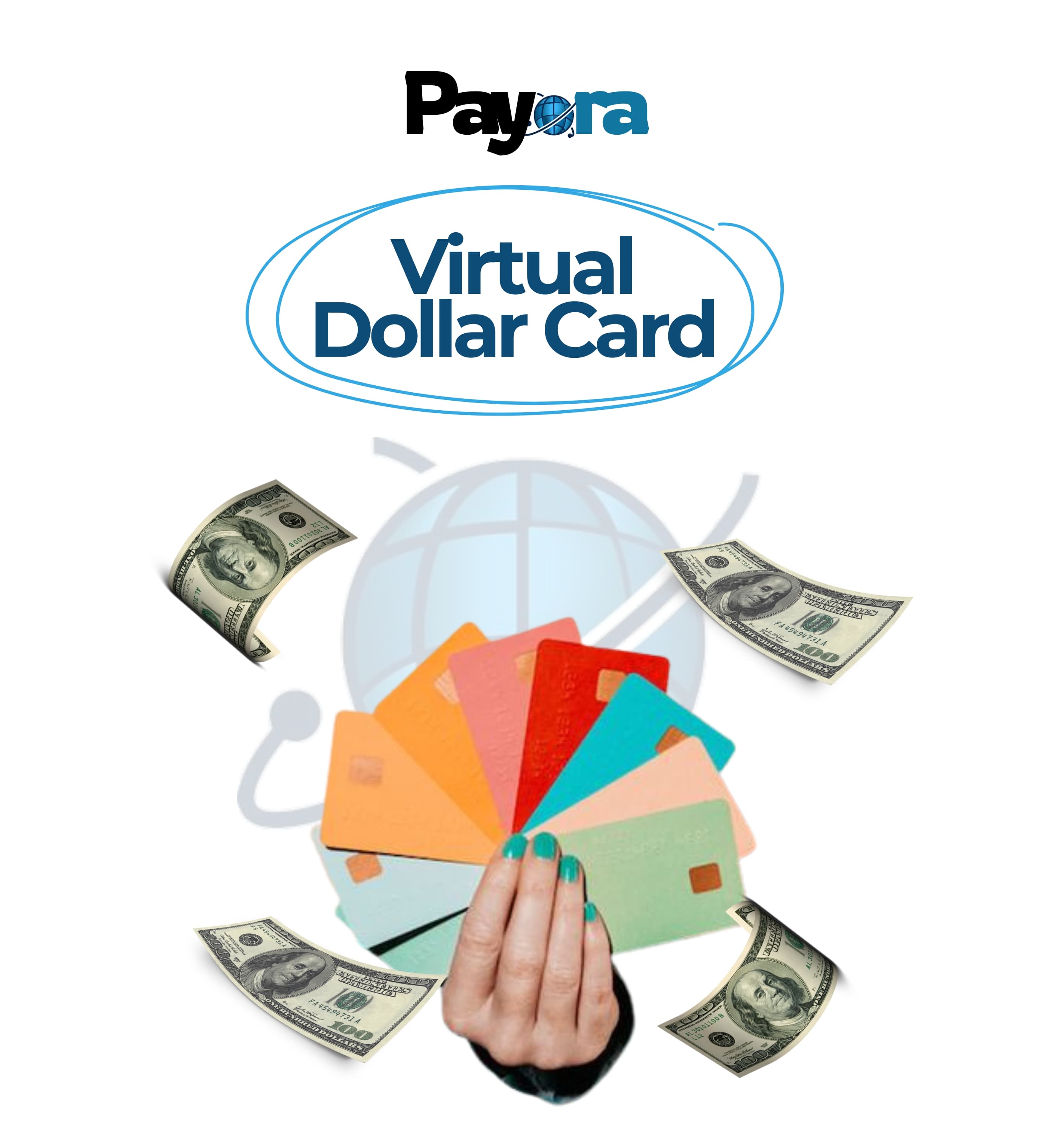
4. Payora Virtual USD Cards
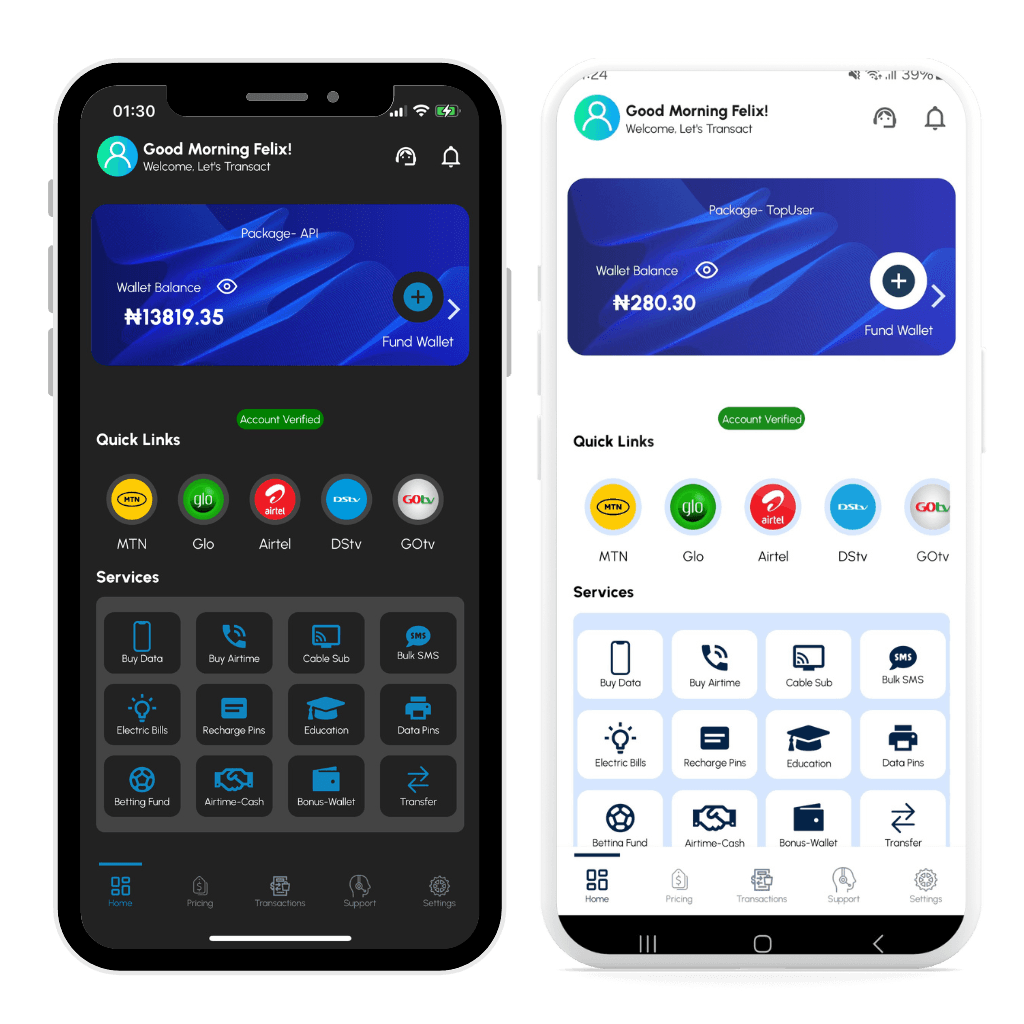
This is where things have improved a lot in 2026. Platforms like Payora let you receive payments and manage international money easily.
With Payora:
- You can get a virtual USD card for receiving and spending.
- Clients can pay you directly, or you can use it to collect payments.
- It also supports gift card trading and other features that help freelancers manage cash flow.
- Many users say it’s convenient because everything is in one app - you can receive, convert, and even spend internationally.
Other options like Raenest and similar fintechs give you multi-currency accounts that feel like having a foreign bank account while staying in Nigeria.

5. PayPal (Now More Accessible)
For a long time, PayPal was difficult for Nigerians, but in 2026, it has improved. Many freelancers use it for client payments, especially smaller amounts. You can link it to Payoneer or other services for withdrawals.

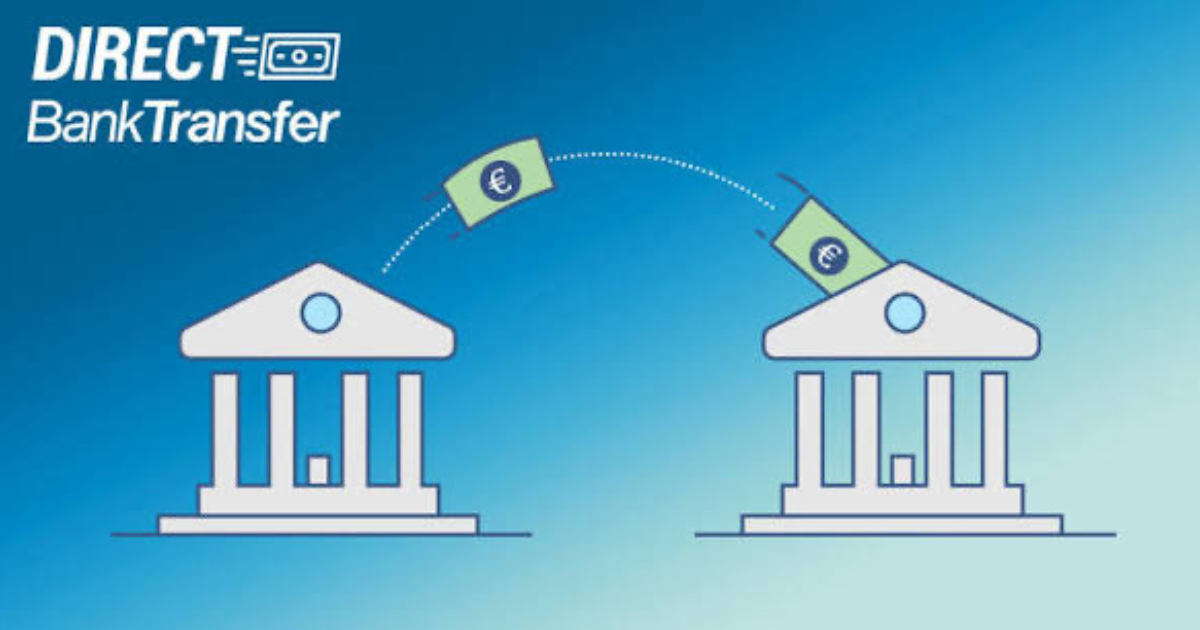
6. Direct Bank Transfers / Wire Transfers
Some bigger clients prefer sending money straight to your domiciliary account in a Nigerian bank (USD account).
Pros: Straightforward for large amounts.
Cons: Higher bank fees and more paperwork (documentation for CBN sometimes).

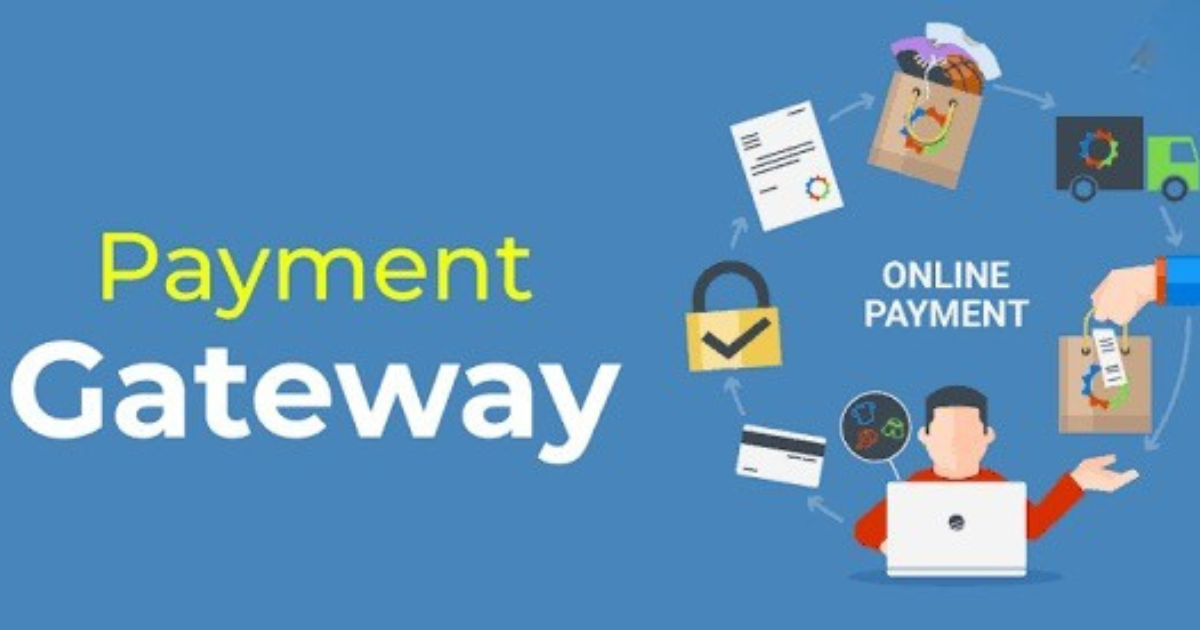
7. Payment Gateways for Businesses
If you sell digital products, services, or run a small business:
- Flutterwave and Paystack let you accept card payments from anywhere.
- Great for websites, invoices, and automated billing.

8. Cryptocurrency (For Tech-Savvy Users)
Some clients prefer paying in Bitcoin, USDT, or other stablecoins. Platforms like Binance P2P make it easy to convert to Naira quickly. It’s fast but comes with volatility risks; only use what you understand.
How to Choose the Best Method for You
- Just starting → Begin with Payoneer (easy setup and works with most platforms).
- Want the lowest fees → Wise or Grey.
- Need everything in one app → Try Payora for virtual cards, receiving, and local management.
- Large regular payments → Domiciliary account or Raenest-type solutions.
- Selling products → Flutterwave or Paystack.
Most experienced freelancers use 2–3 options at the same time, so they’re flexible with different clients.
Practical Tips for Smooth Payments in 2026
- Create Professional Invoices - Use tools like FreshBooks, Wave, or even Google Docs. Include clear payment instructions.
- Communicate Early - Tell clients your preferred method before starting work.
- Watch Fees - Always calculate what you’ll actually receive after charges.
- Build Trust - Start with small milestones and use platform escrow when possible.
- Have Backup Options - Don’t rely on only one platform.
- Tax & Records - Keep good records. Nigeria has rules around foreign income, so stay compliant.
- Internet & Power - Have a good backup plan for withdrawals and verifications.
Conclusion
Receiving payments from international clients in 2026 is easier than it has ever been for Nigerians. Whether you choose Payoneer, Wise, Grey, Payora, or a combination, the key is starting with what matches your type of work and gradually adding more options as you grow.
Don’t let payment worries hold you back from remote opportunities. Set up at least one solid method this week, test it with a small payment, and build from there. Many Nigerians are now living comfortably thanks to international clients; you can too.
The world is open for business, and your next dollar payment is just a few setups away. Start today and take control of how you get paid.