Crypto Regulations in Nigeria (2026 Update): What You Should Know Before Trading

By Precious ChiomaPublished on December 5, 2025
Crypto Regulations in Nigeria (2026 Update): What You Should Know Before Trading

Cryptocurrency trading in Nigeria has continued to grow, attracting investors, freelancers, and everyday users looking for new financial opportunities. However, understanding crypto regulations in Nigeria is crucial for anyone looking to trade safely and legally in 2026. This guide breaks down the latest updates, compliance rules, and practical tips to help you navigate the Nigerian crypto space confidently.

Overview of Crypto Regulations in Nigeria

The Central Bank of Nigeria (CBN) and other regulatory bodies have been actively shaping Nigeria’s cryptocurrency landscape. While crypto is not banned, it is regulated to protect users from scams, fraud, and market volatility. Key regulations focus on:

  • Banking restrictions: Nigerian banks are cautious with crypto-related transactions. Some allow deposits or withdrawals via crypto platforms, while others restrict direct trading.  
  • KYC (Know Your Customer) compliance: Crypto platforms operating legally must verify user identities to prevent fraud and money laundering.  
  • Tax obligations: The Nigerian government requires individuals and businesses earning from crypto to report gains for taxation purposes.  

Recent Updates in 2026
  1. Stricter Exchange Oversight Licensed exchanges must comply with CBN rules, including KYC verification and transaction monitoring. This ensures safer trading and reduces the risks of scams.  
  2. Clarity on Stablecoins The CBN has issued clearer guidelines on using stablecoins like USDT, allowing Nigerians to use them as legal digital assets for payments, savings, and trading.  
  3. Consumer Protection Measures Platforms must provide secure wallets, transaction dispute resolution, and clear terms of service to protect users.  
  4. Crypto Taxes and Reporting Nigerian tax authorities have introduced regulations requiring crypto traders to report profits above certain thresholds. This is part of ongoing efforts to formalize the market.  

What This Means for Nigerian Traders

Stay Verified on Platforms

Trading on verified, licensed platforms ensures compliance with regulations and protects your funds from frozen accounts or scams.

Use Trusted Payment Methods

Always deposit and withdraw using legitimate bank accounts or verified payment channels to avoid legal issues.

Keep Records for Taxes

Maintain records of all crypto transactions to report accurately if required by tax authorities.

Avoid Illegal Platforms

Steer clear of unlicensed apps or schemes promising unrealistic returns—they can lead to fines, losses, or legal trouble.

Tips for Safe Trading in 2025

  • Use regulated exchanges like Payora or other approved platforms.  
  • Enable security features like two-factor authentication (2FA).  
  • Monitor regulatory updates frequently to stay compliant.  
  • Diversify investments and avoid putting all funds into unverified crypto assets.  

Conclusion

Understanding crypto regulations in Nigeria in 2026 is essential for every trader and investor. By following the rules, trading on licensed platforms, and keeping accurate records, you can enjoy the benefits of crypto while avoiding legal risks.

Nigeria’s crypto landscape is evolving rapidly, and staying informed ensures you trade safely, profitably, and confidently.


Download the Payora App

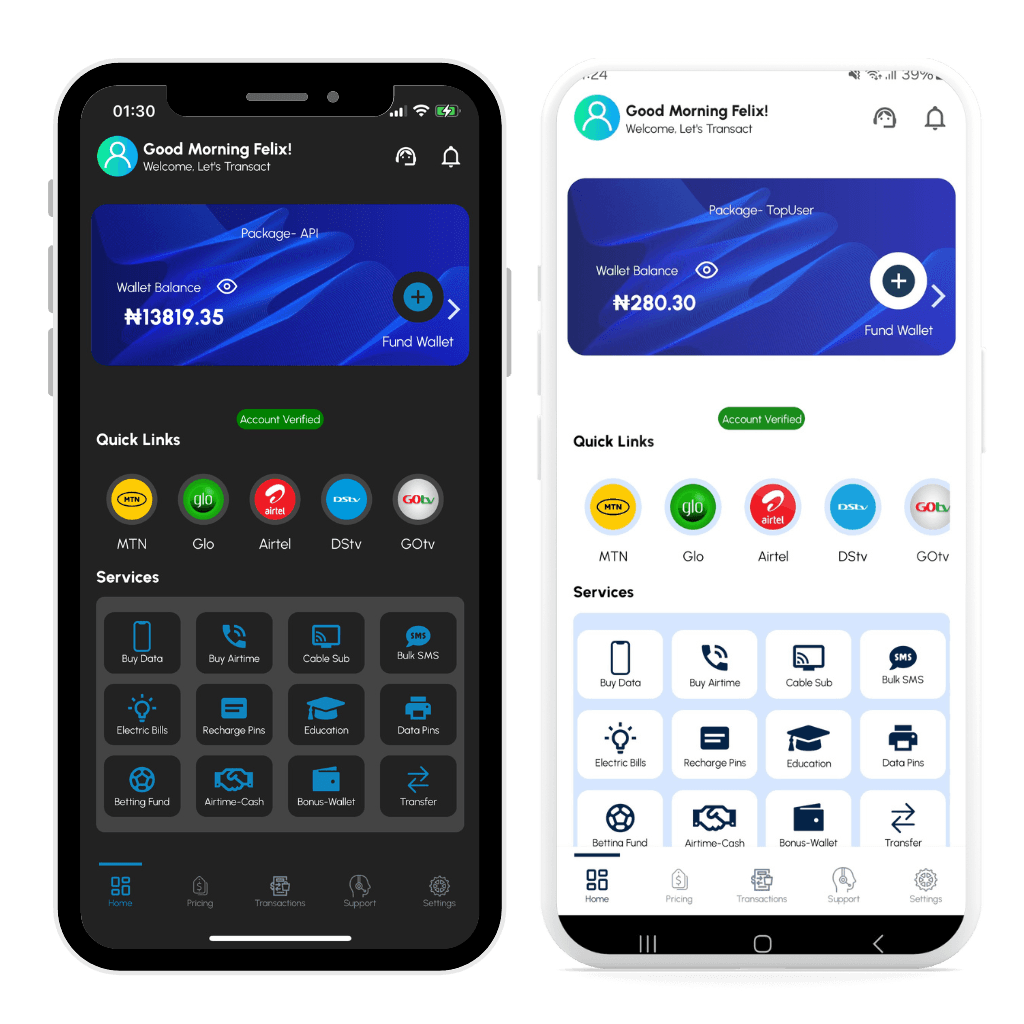
Experience seamless transactions on the go. Top up your wallet, purchase data, pay bills, and trade gift cards - all from your smartphone.

Get it on Google PlayDownload on the App Store
Payora Mobile App