How Gift Cards Actually Work in 2026

By Precious ChiomaPublished on April 27, 2026
How Gift Cards Actually Work in 2026
Share:

Gift cards are one of those things that sound simple until you actually start using them. You buy one, give it to someone, and they spend the money at a shop or online. But behind that simple idea, there’s a whole system of how the money moves, what types exist, why companies love them, and how to avoid losing your money to scams.

By the end, you’ll understand exactly how they work, when they’re useful, and how to stay safe.

What Is a Gift Card, Really?

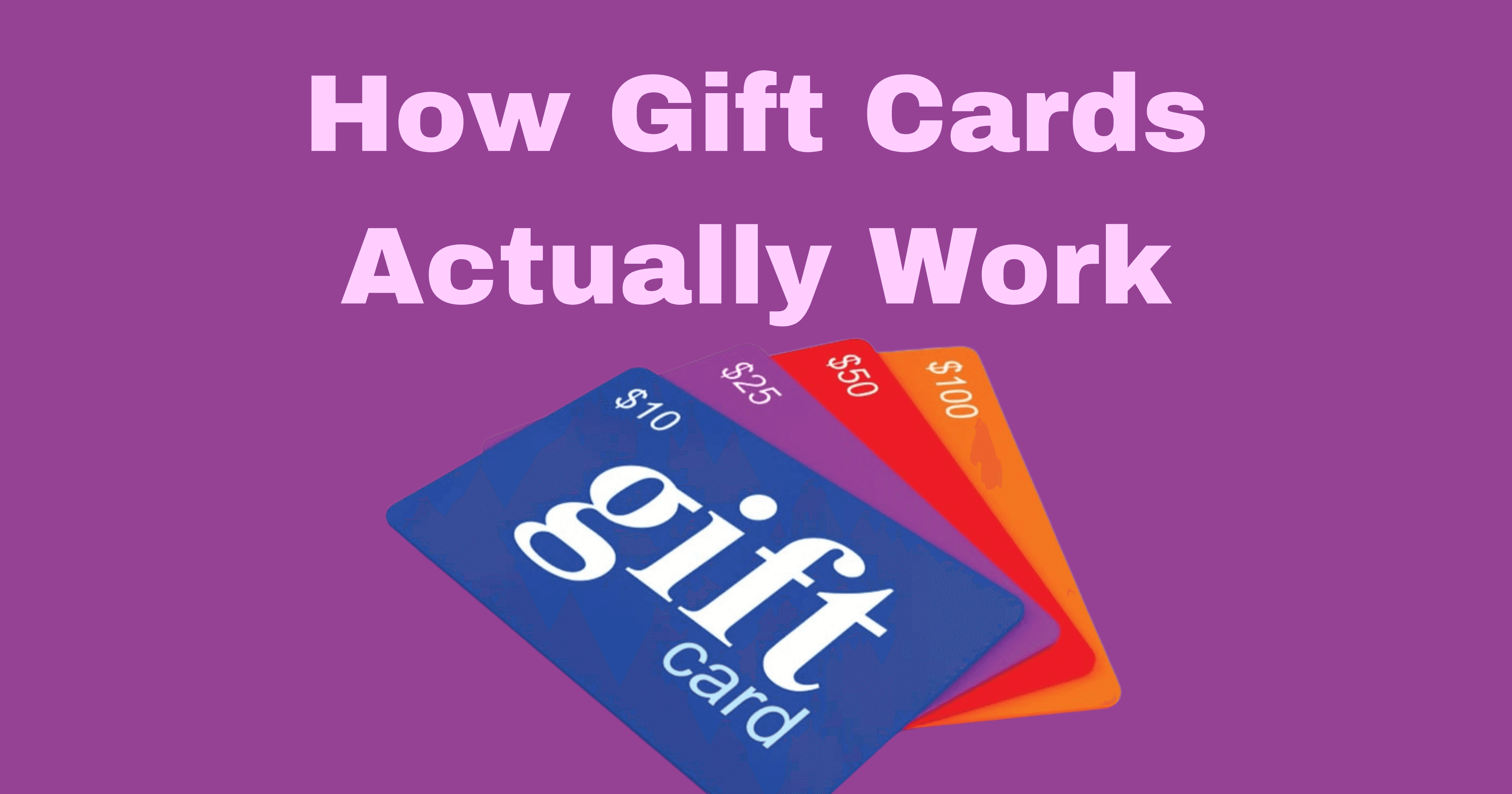
A gift card is basically prepaid money. You (or someone else) load a certain amount onto it, and the recipient can spend that exact amount later. It’s not credit; you can’t go into debt with it. Once the balance is zero, it’s done.

Advertisement

Think of it like giving someone cash, but with rules. The cash is tied to specific places or uses, which is why shops love selling it. In 2026, most gift cards are digital (e-cards sent by email or WhatsApp), though physical plastic ones are still common for birthdays and special occasions.

The Two Main Types You’ll Meet

1. Closed-Loop (Store-Specific) Gift Cards

These only work at one shop or a group of shops owned by the same company.

Examples:

  • Shoprite, Spar, or Jumia gift cards
  • Amazon, Netflix, or Steam gift cards
  • KFC or Domino’s food cards

If you buy a ₦10,000 Shoprite card, you can only spend it at Shoprite. You can’t use it at Spar or online elsewhere. These are usually the cheapest to buy and have fewer fees.

2. Open-Loop (Universal) Gift Cards

These carry Visa, Mastercard, or sometimes American Express branding. You can use them almost anywhere those cards are accepted: supermarkets, online stores, restaurants, and even some international websites.

In Nigeria, these are very popular because they help people buy things from Amazon, Apple Store, or pay for subscriptions when local cards don’t work. They feel more like real money, but they often come with higher activation fees.

There’s also a middle type: multi-store cards (like ones that work at several malls) and virtual cards from apps like Payora that function similarly to open-loop gift cards.

How Buying a Gift Card Works

Step by step:

  1. You decide how much to put on it (₦5,000, $50, etc.).
  2. You pay the seller (shop, website, or app) the full amount plus any activation fee.
  3. The seller loads that value onto the card and gives you either a physical card or a digital code + PIN.
  4. The money is now “stored” on the card’s system. It’s not sitting in your bank anymore; it belongs to the card issuer until spent.

In Nigeria, you can buy them from:

  • Supermarkets and malls
  • Online platforms (Jumia, Konga)
  • Fintech apps and trading platforms (Payora, Koyn, Giftcard8, Cardtonic)
  • Banks and agents

Digital ones are instant; you get the code in your email or app within seconds.

How Spending (Redeeming) Works

This part is easier than most people think.

In a physical store:

Hand the card to the cashier. They scan the barcode or swipe it like a normal debit card. The amount is deducted from the card balance. If the bill is higher than the card balance, you pay the difference with cash or another card.

Online:

During checkout, there’s usually a “Gift Card” or “Redeem Code” box. You enter the long code and PIN. The system checks the balance and subtracts what you owe.

Advertisement

For Visa/Mastercard gift cards, it works exactly like using a normal card; you enter the 16-digit number, expiry date, and CVV.

Important in 2026: Many cards now support Apple Pay, Google Pay, or digital wallets, so you don’t always need to type the code.

What Happens to the Money Behind the Scenes?

When you buy a ₦10,000 gift card, the shop gets most of that money immediately (minus fees). The card company holds the value in a special account. When someone spends it, the money moves to the merchant who provided the goods.

This is why companies push gift cards so hard; they get paid upfront, but many cards are never fully used. Studies show people often spend more than the card value when they shop (the “top-up” effect), which means extra profit for the store.

Fees, Expiry, and Small Print You Should Know

  • Activation/Purchase Fee: Common on open-loop cards (₦500 - ₦2,000 or $3 - $6).
  • Dormancy/Inactivity Fees: Many cards now charge after 12 - 24 months of no use, but regulations in places like the US and some Nigerian rules limit this.
  • Expiry: In many countries, gift cards cannot expire for at least 5 years. Store cards sometimes have shorter periods; always check.
  • Cash Redemption: In places like California (from April 2026), you can get cash back if the balance is under $15. In Nigeria, it depends on the issuer; most store cards don’t allow cash out.

Always read the terms. Some cards have restrictions on what you can buy (no fuel, no betting, etc.).

Gift Cards in Nigeria: Our Own Reality

In Nigeria, gift cards are huge for two reasons:

  1. They help people buy international stuff (Amazon, iTunes, Google Play, streaming services) when local cards are declined.
  2. They’ve become a side business; many people buy low and sell high, or trade them for cash instantly.

Popular ones traded here include Amazon, iTunes, Steam, Google Play, Walmart, Sephora, and Visa/Mastercard.

Platforms like Payora, Koyn, Giftcard8, and others let you sell gift cards and get paid in naira within minutes. Rates change daily based on demand. Amazon US cards usually fetch the best rates.

The Dark Side: Scams Are Very Real

This is the part I wish more people knew before they lose money.

Common scams in 2026:

  • Fake buyers on WhatsApp or Instagram who ask for the code first, then disappear.
  • Phishing sites pretending to be legitimate trading platforms.
  • “Double your gift card” schemes.
  • Impersonators of banks or government agencies asking you to pay with gift cards.

Rule number one: Never share your full gift card code until you have confirmed the buyer has paid you. Use platforms with escrow or instant verification.

If something sounds too good (someone offering way above market rate), it’s almost always a scam.

Advertisement

Pros and Cons of Gift Cards

Good sides:

  • Convenient for gifting when you don’t know what to buy.
  • Helps control spending (you can’t overspend the balance).
  • Great for international online shopping from Nigeria.
  • Instant delivery for digital versions.
  • Many people turn them into cash through trading platforms.

Bad sides:

  • Money can get stuck if you forget the code or lose the card.
  • Fees can reduce the value.
  • Limited use on closed-loop cards.
  • Risk of scams when trading.
  • Some people never use them (the average unused balance is still a big issue globally).

Smart Ways to Use Gift Cards in 2026

  • Buy during sales or promotions for extra value.
  • Use trading platforms to convert unwanted cards to cash quickly.
  • Give digital cards for last-minute gifts.
  • Stack them; use multiple cards at checkout if allowed.

For businesses, gift cards are excellent for customer loyalty and corporate gifting.

Conclusion

Gift cards are basically digital cash with strings attached. They work because someone pays upfront, and the recipient spends it later at agreed-upon places. In 2026, they’re more digital than ever, easier to buy and redeem, but the scam risks are also higher, especially in Nigeria.

If you’re buying for a gift, choose something the person actually likes, or go for an open-loop Visa/Mastercard for flexibility. If you’re trading or using them for international payments, stick to trusted platforms, never rush, and double-check everything.

Start small if you’re new. Buy a ₦5,000 card, use it, and see how it feels. Over time, you’ll get comfortable knowing when they’re useful and when cash or regular cards are better.

Gift cards aren’t complicated once you understand the basics. They’re just another tool to move money around conveniently. Use them wisely, and they can save you stress and even make you a little extra cash through smart trading.


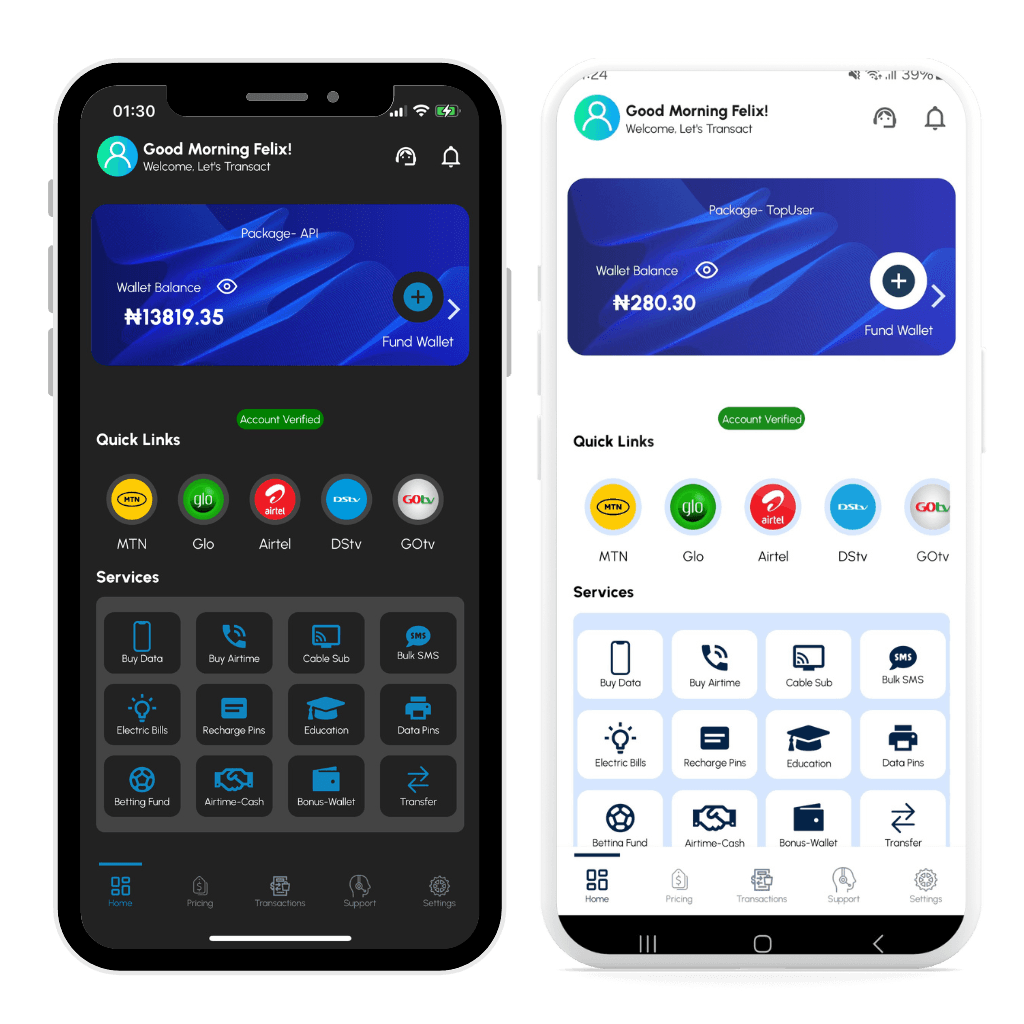
Download the Payora App

Experience seamless transactions on the go. Top up your wallet, purchase data, pay bills, and trade gift cards - all from your smartphone.

Get it on Google PlayDownload on the App Store
Payora Mobile App