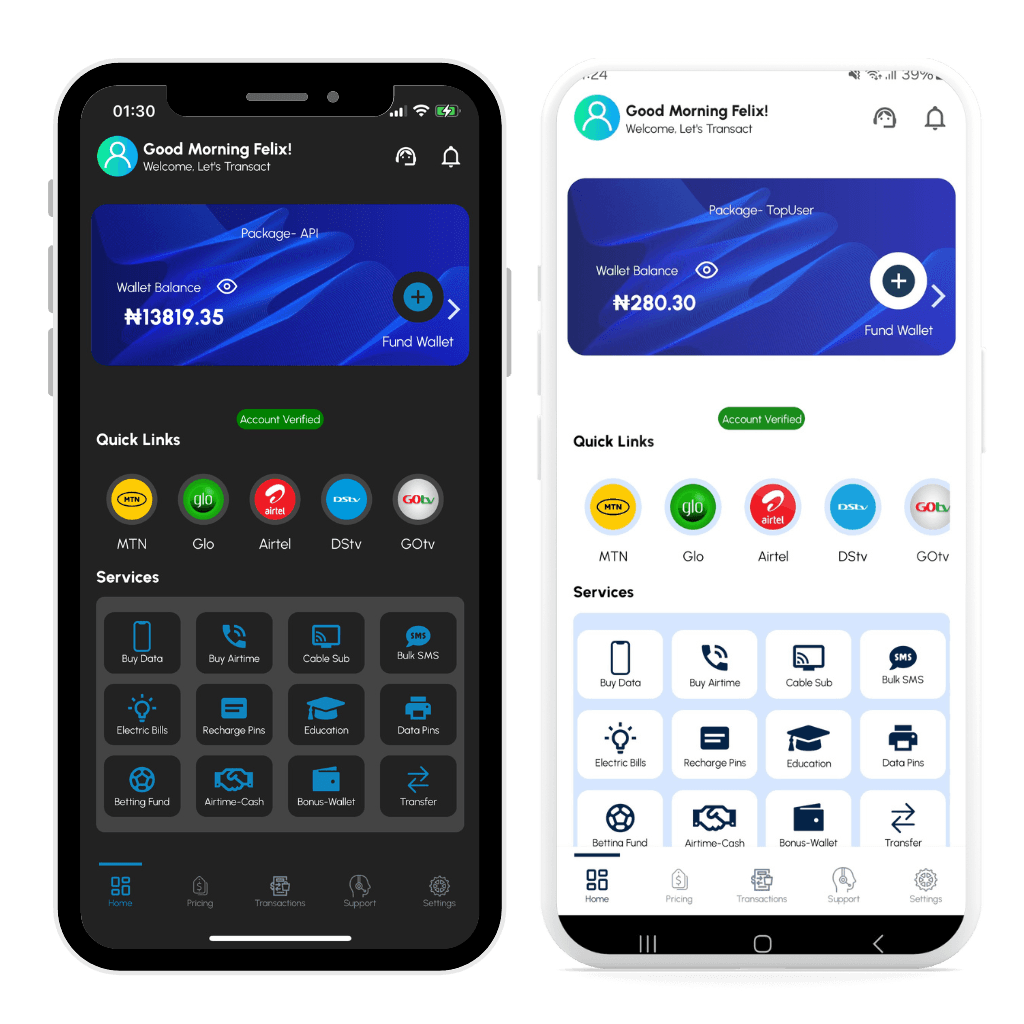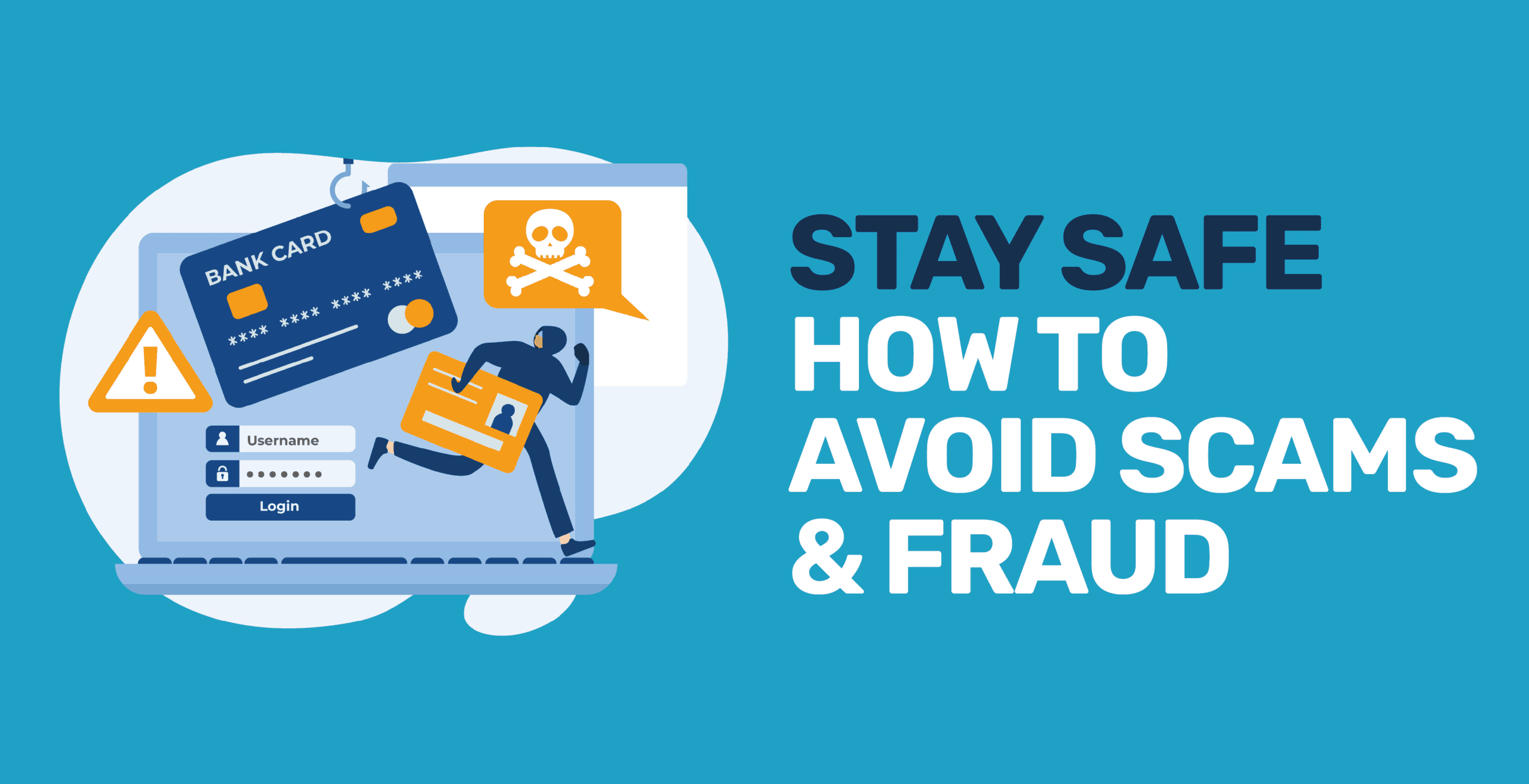
In today’s fast-growing digital economy, Nigeria has seen an impressive rise in fintech adoption. From online banking to mobile wallet solutions like Payora, digital platforms have made financial services more accessible than ever. However, this rapid growth has also attracted cybercriminals who exploit unsuspecting users through online scams.
If you're using platforms like Payora or any digital wallet, it's essential to know how to spot and avoid these scams. In this guide, we’ll help you understand the common types of online financial scams in Nigeria and provide practical tips to keep your money and personal information safe.
1. Phishing Attacks
Phishing is one of the most common scams in Nigeria. Scammers pose as legitimate financial institutions or platforms (like banks or Payora) and send emails, texts, or WhatsApp messages that look official. These messages typically contain links asking you to "verify your account," "update your BVN," or "claim a refund."

How to Spot It:
-
Unexpected emails or texts with a sense of urgency.
-
Links that lead to fake websites resembling the original.
-
Requests for sensitive information like passwords, BVN, or OTP.
How to Avoid It:
-
Never click on suspicious links.
-
Always visit your financial provider's official website or app.
-
Contact customer support directly if unsure.
2. Fake Investment Schemes
"Double your money in 24 hours!" If you've seen such messages, you're not alone. Fraudsters often lure victims with fake investment opportunities, promising high returns with little risk. These scams are commonly promoted via social media, bulk SMS, and even fake websites.
How to Spot It:
-
Unrealistic returns with minimal investment.
-
No clear business model or explanation of how profits are generated.
-
Pressure to refer others to "earn more."
How to Avoid It:
-
Always research investment platforms.
-
Avoid platforms not registered with regulatory bodies like SEC or CBN.
-
Trust your instincts — if it sounds too good to be true, it probably is.
3. Account Takeover (ATO) Scams
In ATO scams, hackers gain access to your account using leaked passwords, stolen devices, or weak authentication. Once inside, they can initiate unauthorized transfers or even change your security details.
How to Spot It:
-
Unrecognized login alerts.
-
Sudden changes to your account settings.
-
Missing funds or failed login attempts.
How to Avoid It:
-
Use strong passwords and change them regularly.
-
Enable two-factor authentication (2FA) where available.
-
Never share OTPs or login details with anyone.
4. Social Engineering Scams
Scammers often pretend to be customer care agents, friends, or company reps to trick you into revealing sensitive information. They can sound convincing and may already know a few personal details.
How to Spot It:
-
Unsolicited calls claiming to be from your bank or wallet provider.
-
Requests for OTPs, PINs, or passwords.
-
Callers getting agitated when you hesitate.
How to Avoid It:
-
Know that genuine customer support will never ask for your OTP or password.
-
Hang up and call the official support line.
-
Report the number to your provider.
5. Fake Apps or Clone Websites
Another rising trend is scammers creating fake versions of trusted platforms. Users may unknowingly download these apps or visit clone websites, handing over their login details.
How to Spot It:
-
Apps not found via official app stores (Google Play, Apple App Store).
-
Websites with minor spelling errors or suspicious URLs.
-
Poorly designed interfaces.
How to Avoid It:
-
Always download apps from verified stores.
-
Double-check URLs.
-
Use bookmarks to access trusted sites like www.payora.app.
6. Fake Airtime/Data Vendors
With the popularity of airtime and data resale, some scammers pose as vendors, taking payments and vanishing. These are especially common on WhatsApp and Telegram.
How to Spot It:
-
Extremely discounted rates.
-
No verifiable website or business registration.
-
Payment only via personal accounts or crypto.
How to Avoid It:
-
Use platforms like Payora with verified vendor options.
-
Avoid "too good to be true" offers.
-
Ask for proof or testimonials.
Final Tips for Staying Safe
-
Keep Your App Updated: Ensure you’re always using the latest version of Payora or any financial app to receive important security patches.
-
Enable Notifications: Set up alerts for all transactions so you know immediately if something goes wrong.
-
Secure Your Device: Use a PIN, fingerprint, or face ID to protect access to your phone.
-
Report Suspicious Activity: Always report any strange messages, emails, or calls to Payora Support. We're available 24/7 on our WhatsApp hotline.
-
Educate Friends and Family: Many scams rely on users being unaware. Help others stay informed.
In Summary
Online scams are on the rise, but with the right knowledge, you can avoid falling victim. Whether you're funding your wallet, buying data, or making transfers on Payora, always stay alert. The more cautious you are, the safer your money will be.
Need help or suspect something's wrong? Reach out to Payora Support via WhatsApp any time, day or night.
Stay smart. Stay safe. Use Payora.