Why Website Scams Are Increasing
Scammers have become more sophisticated. They create professional-looking websites that mimic popular brands, run targeted ads, and use social media to gain trust. Many victims lose money before realizing the site was fake.
The good news is that with the right knowledge and habits, you can dramatically reduce your chances of falling victim to these scams.
1. Start with the URL – The First and Most Important Check
Always examine the web address carefully:
- Domain Name: Make sure it matches the real brand. Scammers use look-alike domains (e.g., “paypa1.com”, “amaz0n-store.com”, or “nigerianairways.ng”).
- HTTPS Protocol: Look for the padlock icon and “https://”. This encrypts data but does not prove legitimacy.
- Domain Extension: Be cautious with unusual extensions like .xyz, .top, .fun, .online, or very new country codes.
- Subdomains: Watch out for suspicious subdomains (e.g., “secure-login.amazon-security.com”).
Pro Tip: Type the website address manually instead of clicking links from emails, WhatsApp, or SMS.
2. Check for Basic Trust Signals
Legitimate websites usually provide:
- A clear About Us page with company history, location, and team information
- Real contact details (phone number, email, and physical address)
- A working Privacy Policy and Terms of Service
- Visible customer support options (live chat, email, or phone)
Absence of these basic elements is a major warning sign.
3. Evaluate Design and Content Quality
- Professional, well-organized design with consistent branding
- No spelling or grammatical errors
- Working links and functional pages
- Realistic product images and descriptions
Scam sites often have:
- Poor layout
- Stock or copied images
- Broken links
- Generic or AI-generated content
4. Research Reviews and Reputation
Never rely solely on testimonials on the website; they can be easily faked.
Instead:
- Search Google: “[website name] review” or “[website name] scam”
- Check Trustpilot, ScamAdviser, Sitejabber, or Google Reviews
- Look at social media mentions and user experiences
- Check the Internet Archive (Wayback Machine) to see how long the site has existed
5. Verify Domain Age and Ownership
Use these free tools:
- WHOIS Lookup (who.is, whoxy.com, or icann.org)
- Check when the domain was registered
- See if the owner information is hidden (common but suspicious for new sites)
Newly registered domains (less than 6–12 months old) are higher risk, especially for shopping or investment sites.
6. Test Security and Technical Safety
- Scan the URL with VirusTotal.com
- Use browser extensions like uBlock Origin, HTTPS Everywhere, or Web of Trust.
- Check if the site asks for unnecessary personal information early on.
7. Analyze Payment and Security Practices
Legitimate sites usually offer:
- Multiple trusted payment options (cards, PayPal, bank transfer)
- Clear refund and return policies
- Secure checkout process
Red Flags:
- Only accepting crypto, gift cards, or wire transfers
- Pressure to pay quickly
- No clear refund policy
Common Red Flags That Should Make You Leave Immediately
- Unrealistic promises (“Make ₦500,000 in one week”)
- Too-good-to-be-true discounts (90% off popular items)
- High-pressure sales tactics (“Only 3 items left!”)
- Pop-ups asking for personal or card details
- No visible company information
- Poor mobile experience
- Requests to download suspicious files or software
Special Tips for Nigerians in 2026
- Be extremely careful with sites offering cheap dollars, gift cards, or investment opportunities.
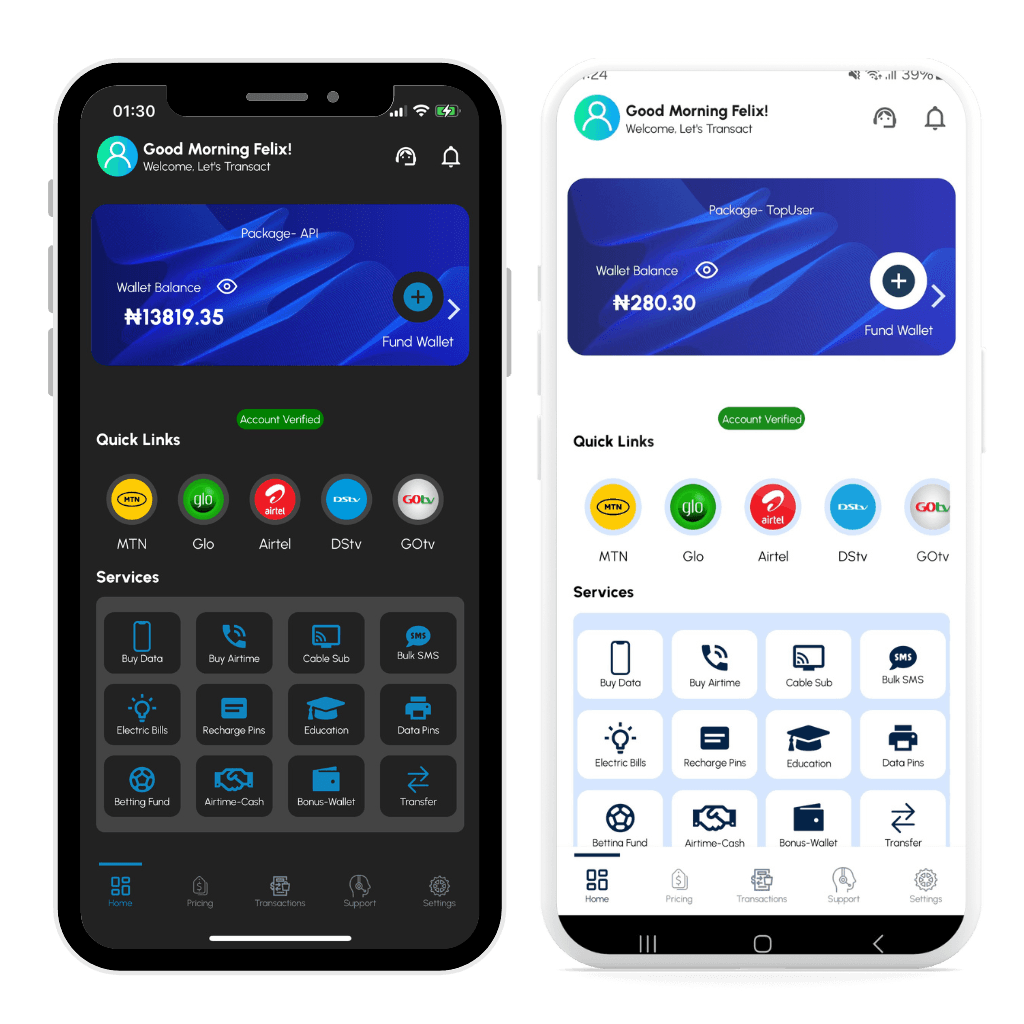
- Prefer established Nigerian platforms (Jumia, Konga, Payora, etc.) when possible.
- Use virtual cards(Payora virtual card) with spending limits for international shopping.
- Avoid clicking links sent via unsolicited WhatsApp, SMS, or email.
- Double-check the websites of banks, government agencies, and popular brands.
Useful Tools and Resources
- ScamAdviser.com - Rates website trustworthiness
- VirusTotal.com - Scans URLs for malware
- WHOIS tools - Domain information
- Google Reverse Image Search - Verify product images
- Wayback Machine - Check site history
- News sites - Search for recent scam reports
Quick Legitimacy Checklist
Before entering any personal information or making a payment: