Prepaid meters are like “pay-as-you-go” electricity. You buy units in advance, and your meter deducts usage as electricity is consumed.
How it works:
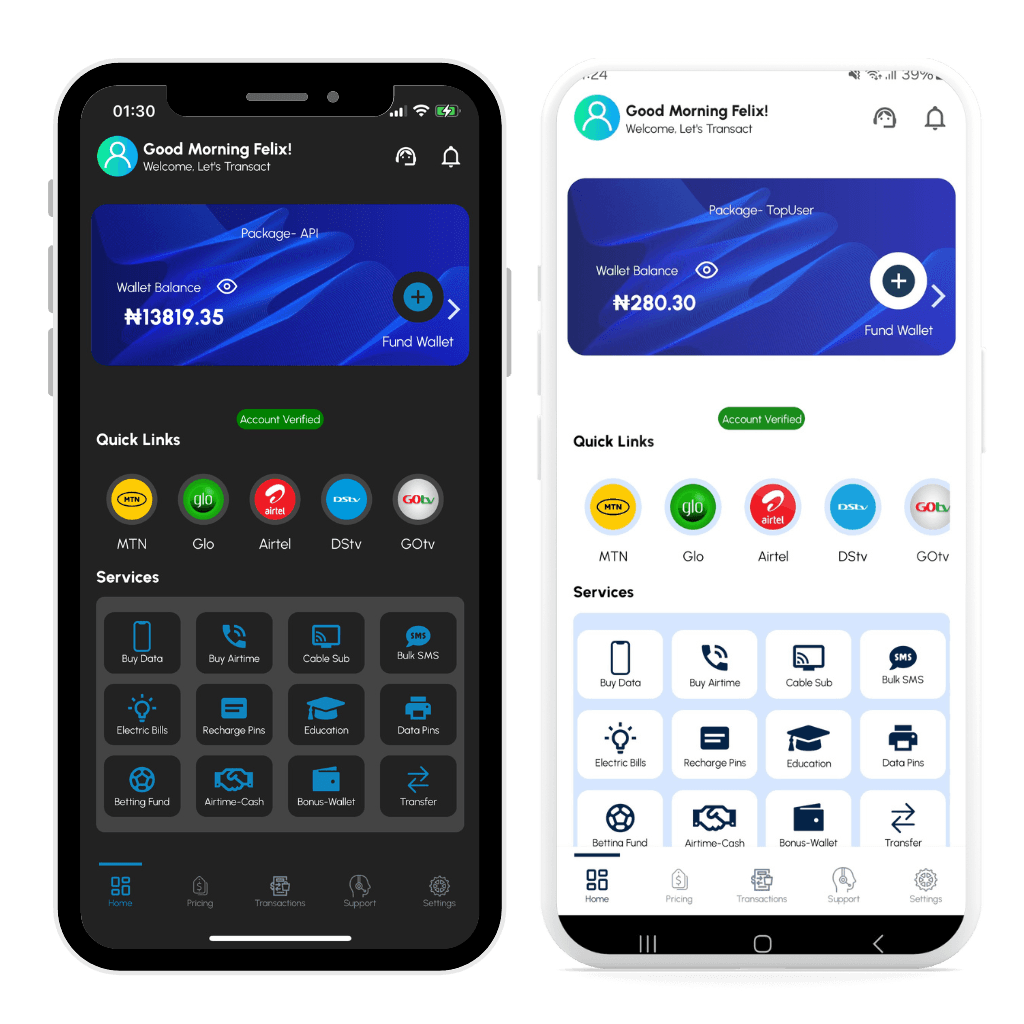
- Purchase units online or via authorized apps like Payora, banks, or USSD codes.
- Enter the 20-digit token into your meter.
- The meter displays remaining units.
Advantages of Prepaid Meters:
- Control over consumption: You only use what you buy.
- No surprise bills: Since you prepay, there are no unexpected charges.
- Easy to track usage: Your meter shows exactly how many units are left.
- Encourages energy saving: You can’t overspend since units run out.
Disadvantages:
- Risk of running out of units: If you forget to top up, electricity stops.
- Frequent recharging: You need to buy units regularly.
Postpaid Electricity Meters
Postpaid meters work like traditional billing. You consume electricity first, and then pay for it later, usually monthly.
How it works:
- Your electricity account is tracked by your distributor.
- At the end of the billing cycle, you pay your accumulated usage.
- Payments can be made online via apps like Payora, bank apps, or at authorized payment points.
Advantages of Postpaid Meters:
- No interruptions: Electricity doesn’t stop if you forget to pay immediately.
- Convenience: Only pay once per month instead of frequent top-ups.
- Good for heavy users: Ideal for households or businesses that use a lot of electricity.
Disadvantages:
- Risk of high bills: You might be surprised by a large bill at the end of the month.
- Less control over consumption: You may not monitor your daily usage closely.
- Requires monthly budgeting: You need to ensure funds are available when the bill is due.
Charges Comparison
- Prepaid meters: You pay exactly for the units you buy. Some platforms charge a small convenience fee.
- Postpaid meters: You pay for total consumption, which may include administrative or service fees depending on your distributor.
Tip: Platforms like Payora charge minimal or no extra fees, making both options convenient and cost-effective.
Which is Better?
It depends on your situation:
- Choose Prepaid if:
- You want full control over your electricity usage.
- You want to avoid surprise bills.
- You prefer smaller, regular payments.
- Choose Postpaid if:
- You have a household or business with high electricity consumption.
- You dislike frequent recharging.
- You can manage monthly bills responsibly.
Bottom line: Prepaid is great for budget-conscious users who want control, while postpaid is ideal for convenience and uninterrupted service. Many Nigerians prefer prepaid meters, but postpaid can suit those with predictable budgets or heavy electricity needs.
Conclusion
Both prepaid and postpaid meters have pros and cons. Understanding your electricity usage, lifestyle, and budget will help you make the right choice. For quick, safe, and stress-free electricity payments in Nigeria, apps like Payora make topping up prepaid meters or paying postpaid bills simple and reliable.