How to Protect Your Crypto Wallet from Hackers and Phishing Attacks (2026 Guide)

By Precious ChiomaPublished on December 2, 2025
How to Protect Your Crypto Wallet from Hackers and Phishing Attacks (2026 Guide)

As cryptocurrency becomes more popular in Nigeria, safeguarding your digital assets has never been more important. Crypto wallets store your digital currencies, but they are prime targets for hackers and phishing attacks. In 2026, understanding how to protect your wallet is essential for every trader, investor, or casual crypto user. This guide will teach you practical, easy-to-follow steps to secure your crypto safely.

What Is a Crypto Wallet?

A crypto wallet is a digital tool that allows you to store, send, and receive cryptocurrency. There are two main types:

  • Hot Wallets: Connected to the internet (e.g., mobile apps, web wallets). Convenient but more vulnerable to attacks.  
  • Cold Wallets: Offline storage (e.g., hardware wallets, paper wallets). Safer from hacking but less convenient for quick transactions.  

Common Crypto Threats in Nigeria

  1. Hacking: Cybercriminals try to gain unauthorized access to your wallet via weak passwords, malware, or unsecured networks.  
  2. Phishing Attacks: Fake websites or emails trick users into revealing private keys or login details.  
  3. Fake Crypto Apps: Some apps impersonate legitimate wallets to steal funds.  
  4. SIM Swap Scams: Hackers take control of your phone number to bypass security checks.  

Steps to Protect Your Crypto Wallet

1. Use Strong Passwords

Always use long, unique passwords with a mix of letters, numbers, and symbols. Avoid reusing passwords across platforms.

2. Enable Two-Factor Authentication (2FA)

2FA adds an extra layer of security, requiring a second verification step when logging in. Use apps like Google Authenticator instead of SMS whenever possible.

3. Choose a Reliable Wallet

Use trusted wallets like Payora or hardware wallets from reputable brands. Check reviews and ensure the platform has strong security measures.


4. Keep Your Private Keys Secure

Never share your private keys or seed phrases. Write them down offline and store them safely. Remember: anyone with your private key can access your funds.

5. Avoid Public Wi-Fi

Public networks can be insecure. Always use your wallet on a private and secure internet connection.

6. Beware of Phishing Links

Double-check website URLs and avoid clicking on suspicious emails or messages claiming to be from crypto platforms.

7. Regularly Update Software

Keep your wallet app and device firmware up-to-date. Updates often patch vulnerabilities that hackers exploit.

8. Use Cold Storage for Large Funds

For significant holdings, consider a hardware wallet or paper wallet. Cold storage is offline, making it nearly impossible for hackers to access.

Additional Tips for Nigerians

  • Use reputable exchanges for buying and trading crypto.  
  • Educate yourself on common scams in Nigeria, including fake apps, social engineering, and Ponzi schemes.  
  • Monitor your account activity regularly for unusual transactions.  
  • Only share wallet addresses publicly, not private keys.  

Conclusion

Protecting your crypto wallet is not optional, it’s essential in 2026. By following these steps, you can secure your digital assets, avoid hacks, and trade confidently in Nigeria’s growing crypto market. Using trusted platforms like Payora, enabling 2FA, and practicing safe habits ensures your funds remain safe from hackers and phishing attacks.


Download the Payora App

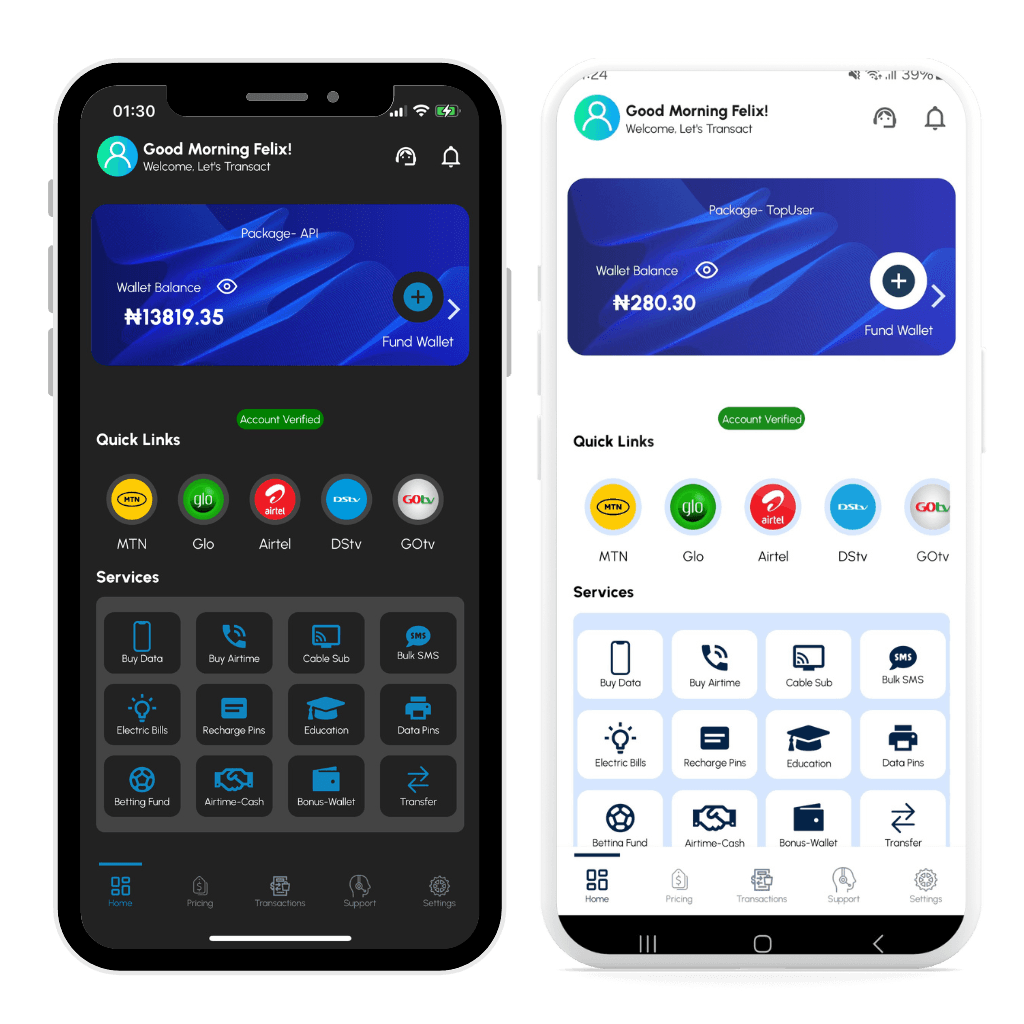
Experience seamless transactions on the go. Top up your wallet, purchase data, pay bills, and trade gift cards - all from your smartphone.

Get it on Google PlayDownload on the App Store
Payora Mobile App