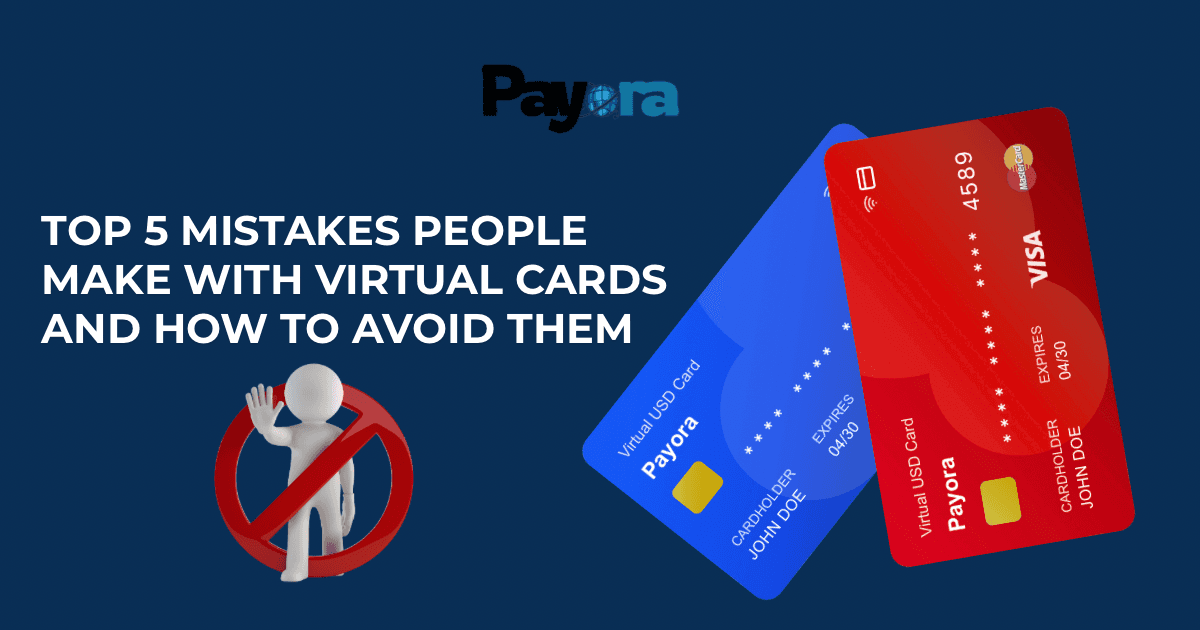
Virtual cards are becoming a favorite in Nigeria and across the world. They’re fast, secure, and convenient for online payments, whether you’re shopping, paying for subscriptions, or funding digital tools. But like every financial tool, they come with rules.
Sadly, many people jump into using virtual cards without understanding how they work, and this often leads to frustrating problems, failed payments, unexpected charges, or even losing money. The good news? These mistakes are avoidable if you know what to look out for.
In this guide, we’ll break down the 5 most common mistakes people make with virtual cards and show you how to avoid them, so you can enjoy smooth, stress-free online payments.
1. Not Checking Card Limits Before Use
One of the biggest reasons virtual card transactions fail is ignoring spending limits. Unlike physical bank cards, most virtual cards come with daily, monthly, or per-transaction limits. These limits are usually set to help manage risks and prevent fraud.
The mistake: Users try to make a large payment, say, ₦500,000 for a gadget, when their card is only allowed to process ₦300,000 in a single transaction. The payment fails, and sometimes multiple attempts may even lock the card.
How to avoid it:
- Always check your card’s spending limit in the app before making a big payment.
- If you need to spend more than your limit, break the purchase into smaller transactions (if possible).
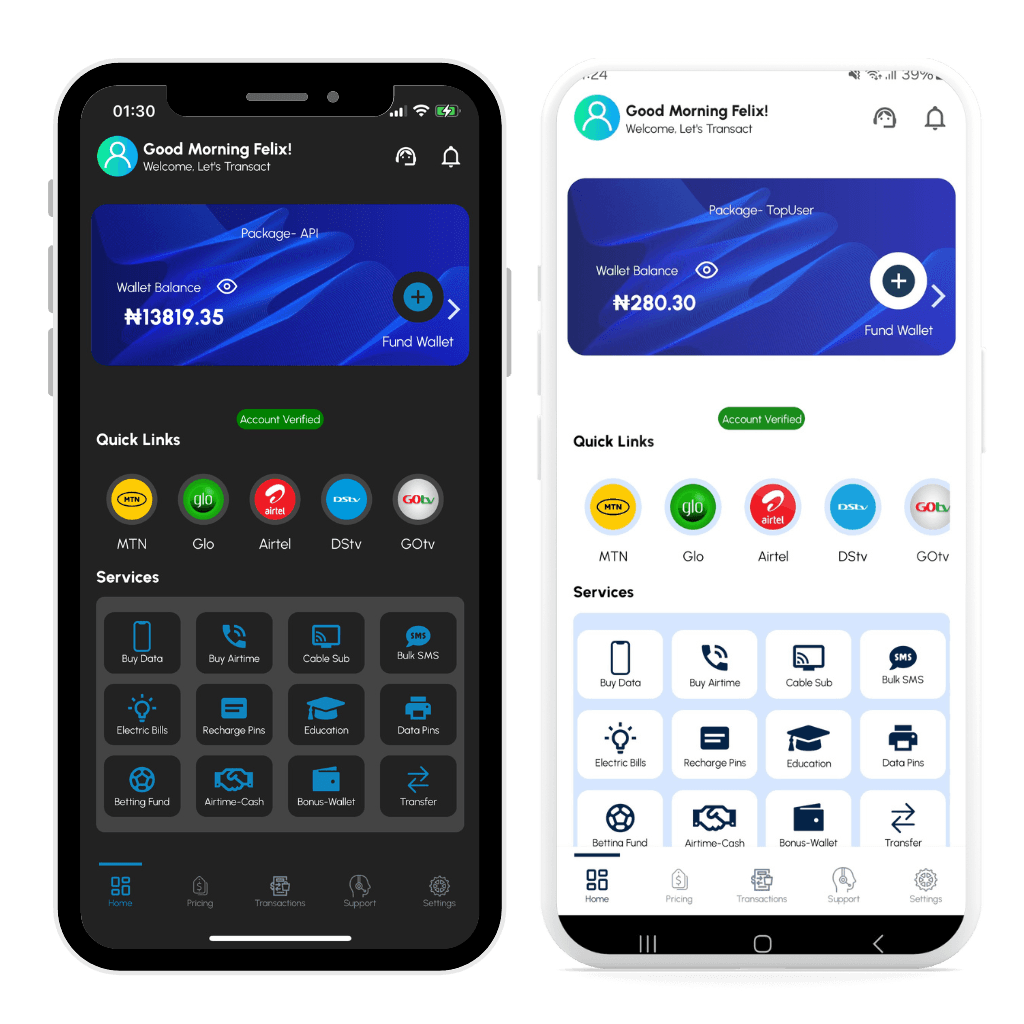
- With Payora’s virtual card, you can quickly confirm your limit in the app and even request support if you need adjustments.
2. Funding the Card the Wrong Way
Another common mistake is loading the card incorrectly. For example, some people transfer funds from the wrong bank account or forget that their card only accepts funding in naira, not foreign currency. Others don’t account for exchange rates when planning an international purchase.
The mistake: Imagine trying to fund your virtual card for a $50 Netflix payment but loading exactly ₦75,000 (assuming $1 = ₦1,500). After funding, transaction fees, and exchange rate differences eat into your balance, you’re left with ₦74,200. Your Netflix payment fails because the balance is slightly short.
How to avoid it:
- Always fund your card with a little extra to cover charges or exchange rate changes.
- Confirm whether your virtual card supports multi-currency or naira-only payments.
- With Payora, you can instantly fund your virtual card from your wallet without stress, and the app automatically updates your available balance.
3. Using Virtual Cards on Unsupported Platforms
Not all websites or apps accept virtual cards, especially some that require 3D Secure authentication or specific card types (like Visa vs Mastercard).
The mistake: You try to pay for an international subscription (like a US-based gaming platform), but the site only accepts physical cards or requires extra verification that your virtual card doesn’t support. The payment gets declined over and over.
How to avoid it:
- Check if the platform supports virtual cards before trying to pay.
- For high-security sites, consider linking your virtual card to PayPal or Apple Pay, which often works better.
- Payora’s virtual card works on most major international platforms, including Netflix, Amazon, Spotify, and more, so always confirm supported platforms in advance.
4. Ignoring Card Expiry Dates
Yes, virtual cards also expire, just like physical ones. Many users forget this, especially if they use the card for recurring subscriptions.
The mistake: Your Payora virtual card is set to expire after 12 months, but you forget to update your Netflix and Canva subscriptions. Suddenly, your payments stop working, and your accounts get suspended.
How to avoid it:
- Note your virtual card’s expiry date when you create it.
- Set reminders to renew or replace the card before it expires.
- With Payora, generating a new card is instant, so you can quickly update your subscriptions and keep things running smoothly.
5. Not Protecting Card Details
Just because it’s “virtual” doesn’t mean it’s 100% safe from misuse. Sharing your card details carelessly or saving them on insecure websites can expose you to fraud.
The mistake: You give your virtual card details to a third-party vendor or save them on a suspicious website. Before you know it, unauthorized transactions start appearing on your balance.
How to avoid it:
- Treat your virtual card like a physical card; never share details with untrusted people or platforms.
- Only save your card details on secure sites with HTTPS encryption.
- If you notice suspicious activity, freeze or delete the card immediately. Payora allows you to block and replace your card instantly from the app.
Why Payora Virtual Card Makes Things Easier
Avoiding these mistakes is one thing, but using the right virtual card provider makes the whole experience smoother. Payora’s virtual card is built for Nigerians who shop and pay online regularly.
Here’s why Payora stands out:
- Instant Setup: Create a card in minutes directly from the Payora app.
- Seamless Funding: Load your card instantly from your Payora wallet.
- Wide Acceptance: Works on Netflix, Amazon, Spotify, and most international platforms.
- Full Control: Freeze, block, or replace your card anytime.
- Affordable Rates: Transparent fees with no hidden charges.
With these features, you can avoid the common mistakes that frustrate other virtual card users.
Conclusion
Virtual cards are a powerful tool for anyone who shops or pays for services online. But as you’ve seen, a few simple mistakes can cost you money, time, and peace of mind.
To recap, the top 5 mistakes to avoid are:
- Ignoring spending limits
- Funding the card incorrectly
- Using it on unsupported platforms
- Forgetting expiry dates
- Not protecting card details.
By avoiding these traps and using a reliable provider like Payora, you can make your virtual card experience stress-free, safe, and convenient.
So the next time you’re setting up that subscription, buying that gadget, or paying for an online service, remember: smart virtual card use = smooth online payments.