What Is a Virtual Card and How Does It Work? (2025 Guide)

By Precious ChiomaPublished on September 5, 2025
What Is a Virtual Card and How Does It Work? (2025 Guide)

Buying things online has become an integral part of everyday life; from paying for services like Netflix and Spotify to ordering clothes or subscribing to apps like Canva and ChatGPT. But along with significant convenience comes one big concern: security. Nobody wants to expose their main bank card online only to risk fraud, hidden charges, or unexpected deductions.

That’s where virtual cards come in. They’ve grown massively in Nigeria and across the world because they give people a safer and smarter way to pay online. But what exactly is a virtual card? How does it work? And why are so many people switching from traditional bank cards?

Let’s break it down step by step.

What Is a Virtual Card?

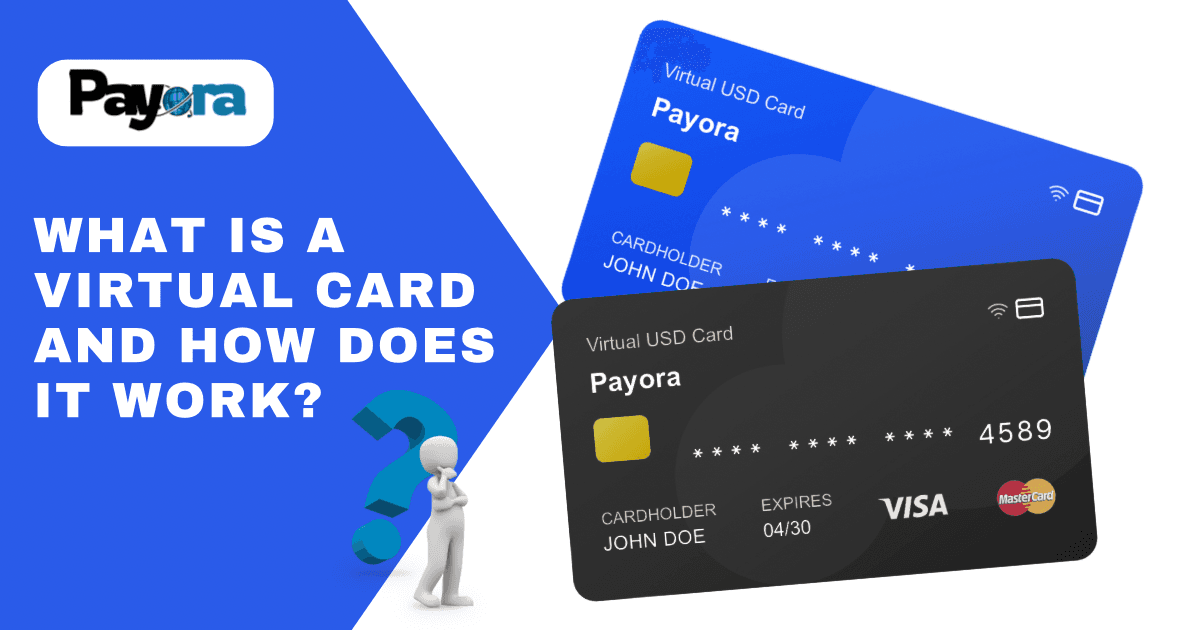
A virtual card is a digital version of a debit or credit card that exists only on your phone or computer. It works just like your regular ATM card, except it doesn’t have a physical plastic form.

Instead, you get details such as:

  • 16-digit card number  
  • Expiry date  
  • CVV (security code)  

You can use these details to make online payments,  just like you would with your regular card.

The major difference is: virtual cards are safer and more flexible because you can easily fund them, set limits, or even freeze them if you notice any suspicious activity.

How Does a Virtual Card Work?

Think of it as a bridge between your bank/wallet and the online platform you want to pay.

Here’s how the process works:

  1. Create a virtual card using a trusted provider (like Payora, Chipper, Barter, etc.).  
  2. Fund the card in Naira or Dollars, depending on what you need.  
  3. Use the card details online for subscriptions, shopping, or international payments.  
  4. If you’re done or notice anything suspicious, you can freeze or delete the card instantly.  

It’s like having a disposable ATM card that you control completely.

Why Are Virtual Cards Popular in 2025?

Nigerians, especially, are embracing virtual cards because of:

  1. Dollar payments made easy;  PayPal, Amazon, Apple Store, and international sites often reject Naira cards. Virtual dollar cards solve that problem.  
  2. Security; your real bank account stays hidden.  
  3. Control; you decide how much money goes into the card, so no surprise deductions.  
  4. Convenience; instant creation from an app, no need to visit a bank.  
  5. Flexibility; freeze, unfreeze, or delete anytime.  

Real-Life Uses of a Virtual Card

Here’s where a virtual card comes in handy:

  • Paying for subscriptions like Netflix, Apple Music, Canva, or ChatGPT.  
  • Shopping internationally on Amazon, eBay, or AliExpress.  
  • Freelancers and remote workers paying for tools like Zoom, Fiverr ads, or LinkedIn Premium.  
  • Students paying for online courses, exam registrations, or e-learning platforms.  
  • Everyday users who simply want safer online payments.  

Types of Virtual Cards

Not all virtual cards are the same. The most common types are:

  1. Virtual Naira Cards  
    • Funded in Naira.  
    • Works for local online payments.  
  2. Virtual Dollar Cards  
    • Funded in dollars (or converted from Naira in-app).  
    • Works best for international payments and subscriptions.  

Most people in Nigeria prefer virtual dollar cards since many platforms charge in USD.

Advantages of Virtual Cards

  • Safe transactions: scammers can’t access your main bank details.  
  • Instant access: no paperwork, no waiting for a physical card.  
  • Works globally: shop or pay bills across borders.  
  • Custom spending limits:  perfect for budgeting.  
  • Multiple cards: create different cards for different services.  

Disadvantages of Virtual Cards

Like everything, there are a few downsides:

  • Not accepted everywhere, some websites still require physical cards.  
  • Funding limits, some providers set caps on how much you can load.  
  • Exchange rates, when converting Naira to Dollar, charges may apply.  

Still, the advantages far outweigh the drawbacks for most people.

How to Get a Virtual Card in Nigeria

Getting one is easier than opening a bank account. Here’s a simple step-by-step process:

  1. Download a trusted app like Payora.  
  2. Sign up with your email and phone number.  
  3. Verify your identity (basic KYC).  
  4. Create a virtual card - choose Naira or Dollar.  
  5. Fund it instantly from your wallet.  
  6. Start using the card details online.  

That’s it, no queues, no paperwork.

Why Payora’s Virtual Card Stands Out

Among the many providers, Payora is quickly becoming a favorite in Nigeria because:

  • Instant card creation  
  • Affordable rates compared to others  
  • Easy funding directly from the Payora wallet  
  • Full control in the app (freeze/unfreeze anytime)  
  • Safe for subscriptions like Netflix, Apple Store, and even ChatGPT Plus  

For anyone tired of “card declined” errors or unexpected bank charges, this is the easiest fix.

Conclusion

Virtual cards have moved from being a “tech thing” to an everyday essential in Nigeria. They make online payments safer, simpler, and smarter. Whether you’re a student, freelancer, small business owner, or just someone who loves shopping online, a virtual card gives you peace of mind.

Instead of exposing your main ATM card everywhere, you can keep it safe and use a virtual card as your shield. In 2025, this is the smarter way to pay. And if you want to start today, apps like Payora make it as easy as downloading, creating, and funding your card in minutes.


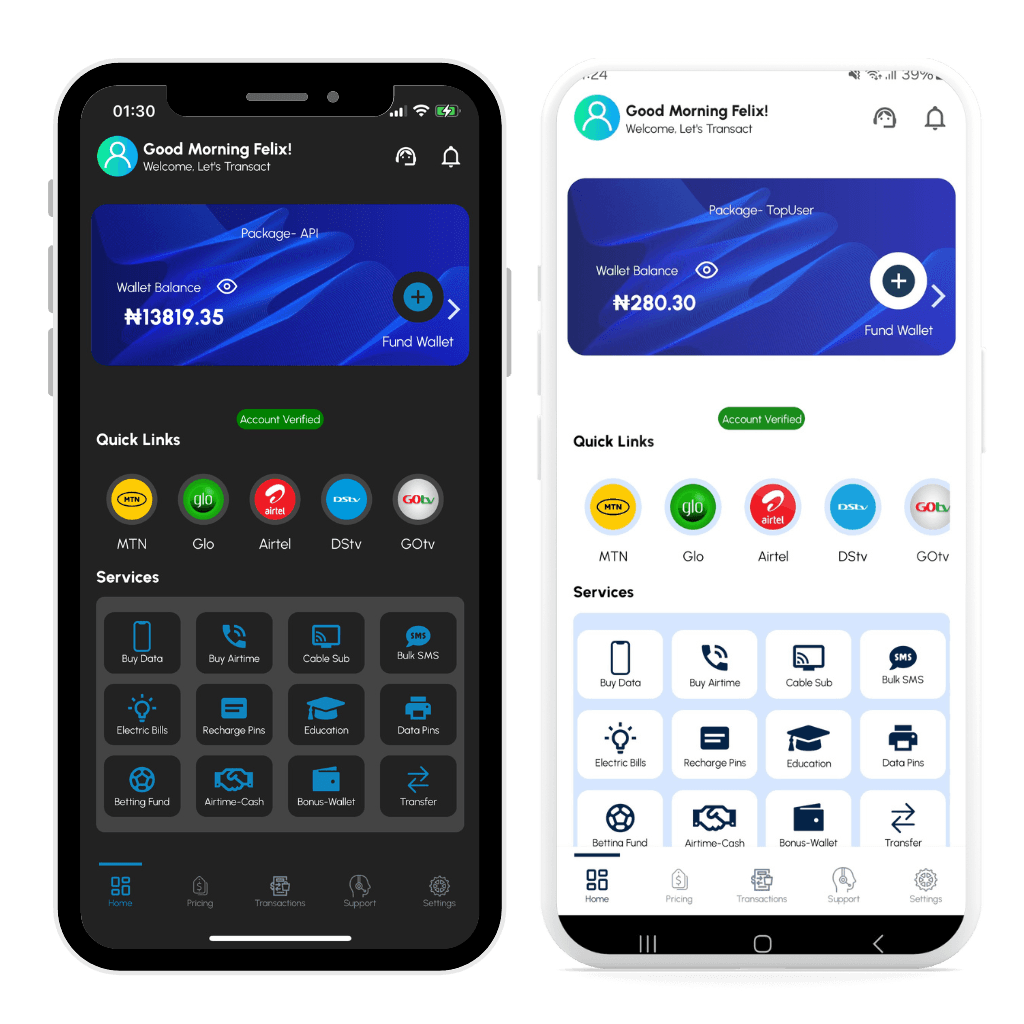
Download the Payora App

Experience seamless transactions on the go. Top up your wallet, purchase data, pay bills, and trade gift cards - all from your smartphone.

Get it on Google PlayDownload on the App Store
Payora Mobile App