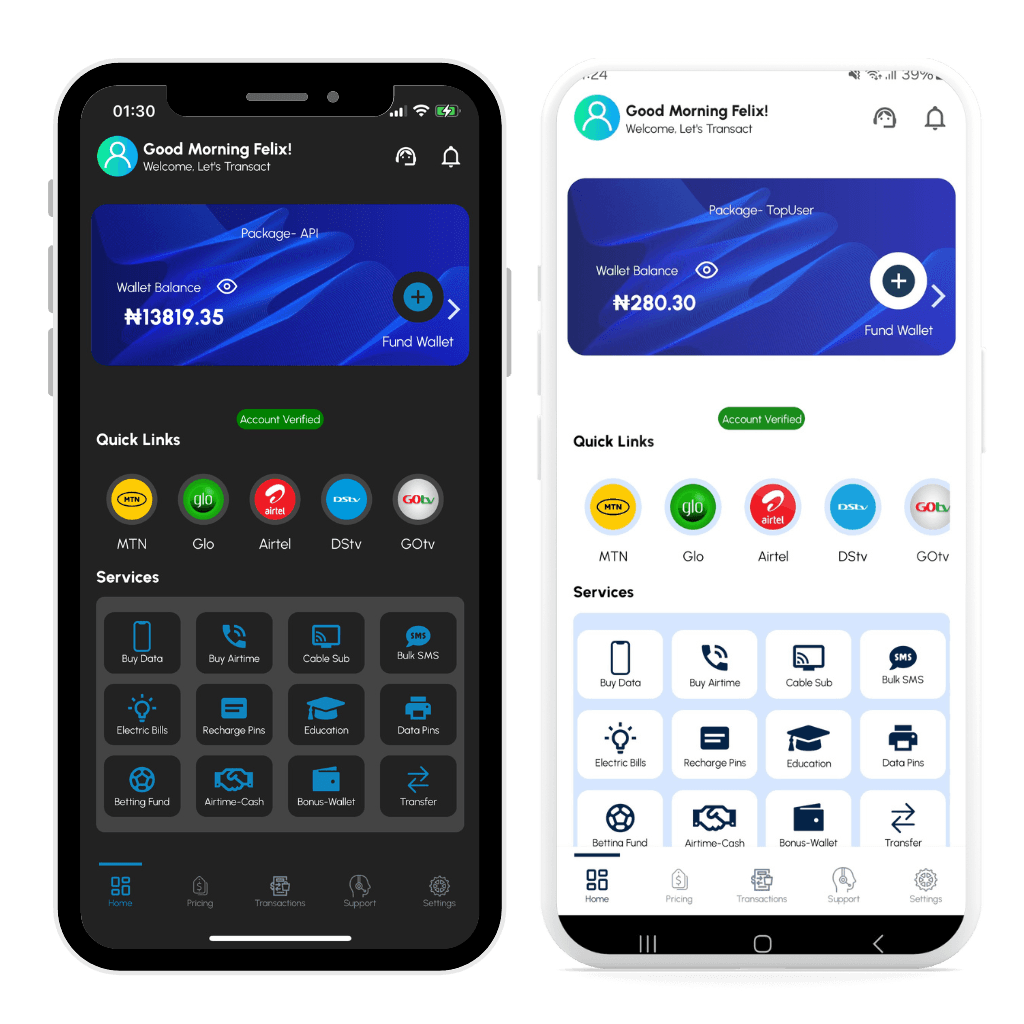
Over the years, there has been a massive shift on how Nigerians access financial services. This massive shift can be attributed to the rapid rise of the fintech industry. What was once limited to traditional banks has expanded to include digital wallets, mobile apps, lending apps, etc. Ultimately, transforming the way Nigerians save, spend and access financial services.
In this article, we will provide an overview of fintech growth in Nigeria, explore the key factors driving fintech growth in Nigeria, and the various challenges facing fintech adoption in Nigeria.
Overview of Fintech Growth in Nigeria
Nigeria’s fintech growth has accelerated rapidly over the past decade, positioning the country as one of Africa’s fastest growing financial markets. A key indicator of this rapid growth can be seen in the number of fintech apps with massive customer base. This growth reflects a broader move toward cashless transactions and digital financial services.
Fintech platforms are now widely used in everyday transactions such as sending and receiving money, paying bills, shopping online, purchasing airtime and data etc. Mobile money has also played a major role in this expansion. Transaction volumes processed by mobile money operators have grown significantly highlighting increased trust in digital payment systems. As more Nigerians gain access to smartphones, and internet connection, fintech adoption will continue to rise across the country.
Key Factors Driving Fintech Growth in Nigeria
The rapid growth of fintech in Nigeria can be attributed to the combination of several factors. These factors have created the perfect ecosystem for fintech companies to thrive. Understanding these key drivers helps explain why fintech adoption continues to increase across the country.
1. Youth Dominated Demographics
Nigerians have one of the youngest populations in the world. This young, tech-savvy generation are quick to adapt to simple, fast and user-friendly financial solutions. Hence, with the youth in mind, more fintech platforms will continue to rise, making financial services accessible.
2. Limitations in Traditional Banking
Most Nigerians have had a fair share of the limitations of traditional banks including long queues, slow transactions and high fees. The financial companies leverage on these gaps to provide a better alternative that promises convenience, speed and affordable services.
3. Impact of SMEs and the Gig Economy